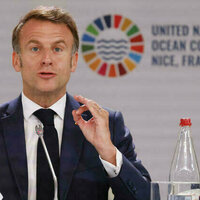


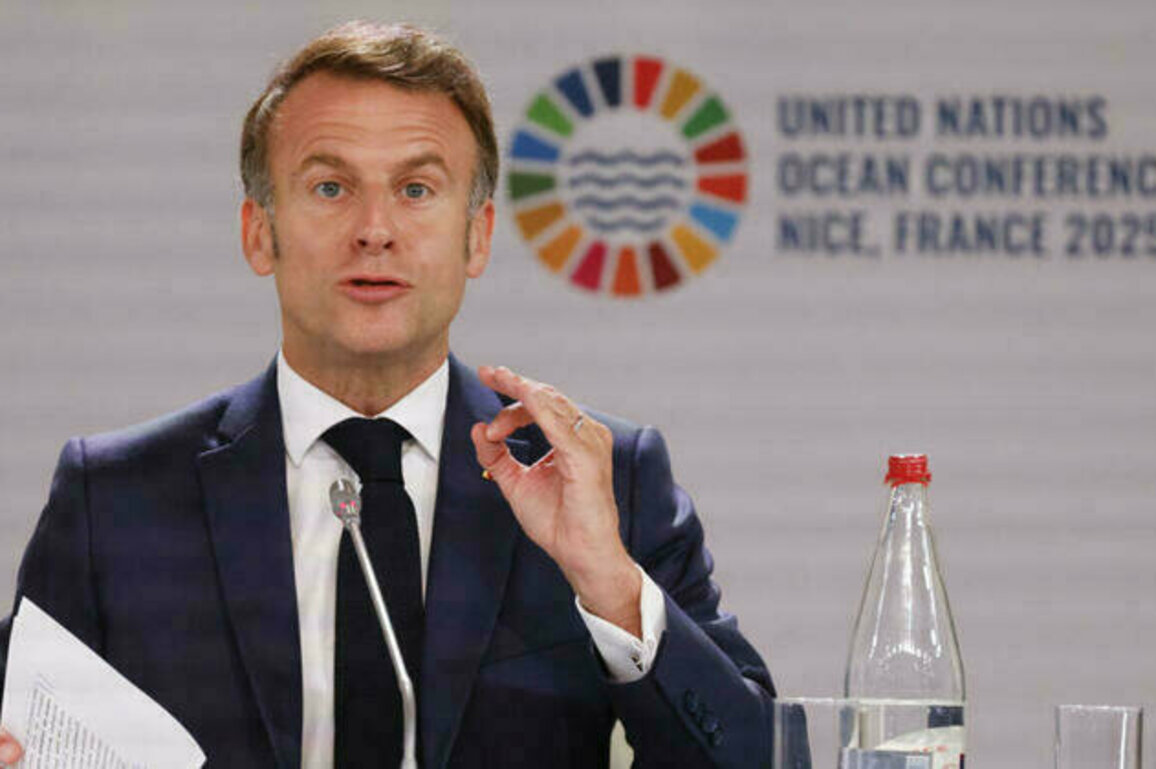
Watch live as French President Emmanuel Macron speaks at the UN Ocean Summit in the French Riviera city of Nice. Earlier on Monday he opened the conference by saying the deep seas, Greenland and Antarctica are "not for sale" as he called for the ratification of the High Seas Treaty.
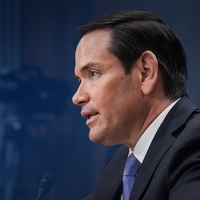
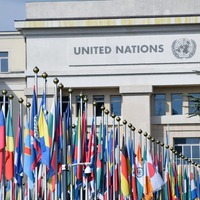
French PresidentEmmanuel Macronopened the UN Ocean Conference in Nice on Monday with an urgent call for multilateral action to save the seas.
"The first answer is multilateralism," said Macron. The deep sea is not for sale, neither isGreenlandfor sale, norAntarctica," he added in a veiled response to US PresidentDonald Trump's expansionist statements since he took office in January.
"While the Earth is warming, the ocean is boiling," said the French president, as he called for an "open partnership" inscienceandresearchto protect the world'soceans.
"Theclimate, likebiodiversity, is not a matter of opinion; it's a matter of scientifically established facts," he added.
A High Seas Treaty will be ratified by a sufficient number of countries at the summit to enter into force, Macron confirmed, noting that 50 countries had submitted ratifications "in the past few hours" before the UN Ocean Conference officially opened.
Read moreProtecting the ocean: What is the high seas treaty?
"In addition to the 50 ratifications already submitted here in the last few hours, 15 countries have formally committed to joining them," said Macron. "This means that the political agreement has been reached, which allows us to say that this High Seas Treaty will be properly implemented. So it's a done deal," he added, without specifying a timeline.
The treaty, signed in 2023, will enter into force 120 days after the 60th ratification.Franceinitially wanted to obtain the 60 ratifications before the Nice conference began.
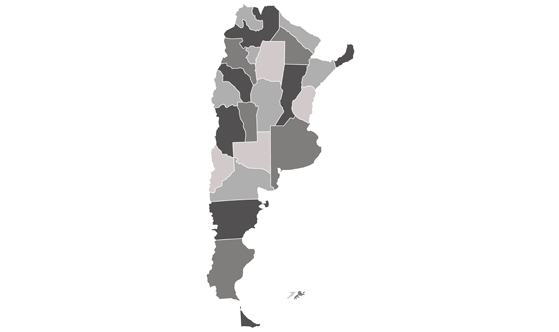
Around 60 heads of state and government are attending the third UN Ocean Conference, including Brazilian PresidentLuiz Inacio Lula da Silvaand his Argentine counterpartJavier Milei.
Moratorium on deep-sea mining 'a necessity'
Macron also called for a moratorium on deep-sea mining, which was "a necessity", he maintained.
"I think it's madness to launch predatory economic action that will disrupt the deep seabed, disrupt biodiversity, destroy it ... The moratorium on deep seabed exploitation is an international necessity," he told the gathering in Nice, southeastern France.
Trump has brought urgency to the debate around deep-sea mining, moving to fast-track US exploration in international waters and sidestepping global efforts to regulate the nascent sector.
The International Seabed Authority, which has jurisdiction over the ocean floor outside national waters, is meeting in July to discuss a global mining code to regulate mining in the ocean depths.
Speaking at the conference after Macron,UN Secretary-GeneralAntonio Guterressaid the world could not let the deep oceans "become the wild west" as nations negotiate contentious new rules for seabed mining.
Brazil'sLulaon Monday warned against the threat of countries unilaterally exploiting the oceans through deep-sea mining, in a reference to US plans to exploit the deep seabed.
"Now we are seeing hanging over the ocean the threat of unilateralism. We cannot allow" what happened to international trade to happen to the sea, Lula said at the UN summit.
He called on the International Seabed Authority to act as Trump prepares to unilaterally authorise mineral exploitation in the Pacific Ocean.
Tackling plastics pollution
The appeals for unity come as nations tussle over a globalplasticspollutiontreaty, and the US sidesteps international efforts to regulate deep-sea mining.
The summit comes as just 2.7 percent of the ocean is effectively protected from destructive extractive activities, according to the nonprofit Marine Conservation Institute. That's far below the target agreed under the 30x30 pledge to conserve 30 percent of land and sea by 2030.
South Korea, France and the EU have championed the High Seas Treaty, but most large ocean nations have yet to ratify it, including the rest of theG20.
Beyond new commitments, the conference aims to highlight the growing gap between marine protection declarations and real-world conservation.
France, the conference co-host, claims to have surpassed the 30 percenth target for marine protection. But environmental groups say only 3 percent of French waters are fully protected from harmful activities like bottom trawling and industrial fishing.
In 2024 alone, more than 100 bottom-trawling vessels were recorded spending over 17,000 hours fishing within Frances six marine nature parks, according to ocean advocacy group Oceana.
(FRANCE 24 with AFP, AP and Reuters)
Originally published on France24