


"We defend what belongs to everyone."
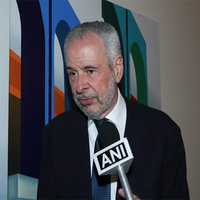
For Sergio Rodriguez, this principle has guided his entire professional life, which he has devoted to the fight against corruption and economic crime, building a career rooted in justice and accountability.
"That's our job as prosecutors, to defend society's interests."
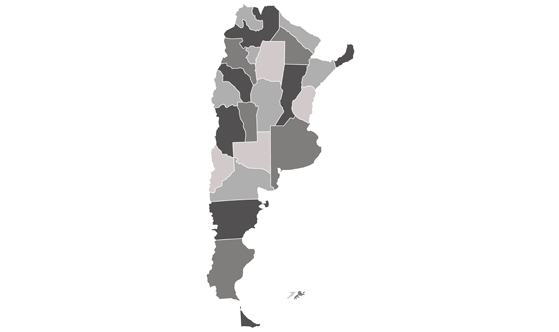
As Argentina's National Prosecutor for Administrative Investigations, he is responsible for tackling complex economic crimes, including embezzlement, abuse of functions, and bribery, within the national public administration and executive branch, areas where transparency is critical.
From courtrooms to internal oversight agencies, Sergio has spent his career confronting misconduct on multiple institutional fronts.
He helped establish Argentina's Anti-Corruption Office and now holds a uniquely autonomous position within the Public Prosecutor's Office, one that grants him strong independence and can only be revoked through formal judicial review processes.
"This independence is essential. Without it, we cannot properly investigate corruption."
But Sergio's mission, however, goes beyond investigating crimes. Though prosecutors typically intervene only after an offense has occurred, Sergio believes their role should also include the development of preventive strategies that reduce opportunities for crime in the first place.
"Investigation and punishment are important. But prevention is what truly protects society."
Over the past decade, Sergio has witnessed firsthand how illegal activities often transcend national borders.
Organized crime, human and drug trafficking, and illicit financial flows frequently depend on corrupt systems and officials to flourish undetected and unchecked.
"These crimes don't exist in isolation. There are always corrupt officials behind them."
That's why, for Sergio, regional cooperation among prosecutors and investigators is critical to success.
Through the United Nations Office on Drugs and Crime (UNODC) Regional Platform for South America and Mexico, his office has forged close ties with colleagues across Latin America, helping them to coordinate investigations and exchange intelligence.
"We've run joint investigation teams, exchanged information and improved case development. These networks are essential."
He points to the Odebrecht case as a pivotal example of how cross-border coordination can strengthen justice efforts, noting that the multinational bribery scandal implicated government officials across Latin America and beyond. The coordinated investigations and prosecutions demonstrated how international cooperation can help hold powerful actors accountable.
Although differences in legal systems between Brazil and Argentina created some delays, collaboration and mutual trust allowed both countries to share evidence and pursue high-level prosecutions. Partnerships and connections made through the regional platform are key to such cooperation.
"Without these partnerships, we wouldn't have access to the evidence needed to prosecute major corruption cases. For example, through the UNODC Regional Platform, we organized trainings on corruption in public procurement with international experts and government authorities, which has strengthened cross-border cooperation in investigations."
The regional platform has also been instrumental in providing high-level training to dozens of Argentine prosecutors working on complex cases. Training has focused on issues like public procurement and large international contracts, areas that are especially vulnerable to abuse and manipulation.
"We received top-tier training from global experts. These tools directly impacted the success of real cases."
Looking ahead, Sergio believes two major reforms are urgently needed to strengthen crime response systems across the region:
"If we don't protect those who report corruption, they won't come forward. And if evidence arrives six years late, it's useless."
At the heart of all his work lies a deep commitment to justice and integrity.
"Fighting corruption is tough. But if we provide targeted training, and work together, we have a real chance."
Source: UNODC