


Argentina, Brazil, Paraguay and Uruguay had hoped they would on Saturday finally seal a deal with the EU to create the world's largest free trade zone.
However, the deal, which has been under negotiation for more than 25 years, met with fierce opposition from farmers, notably inFranceandItaly, and has now been postponed to January.
Several diplomats in Brussels told AFP the EU was working towards a signature on January 12 inParaguay, which is set to take over leadership of Mercosur fromBrazilin 2026.
European Commission chiefUrsula von der Leyensaid she was confident there would be a "sufficient majority" among the EU's 27 countries to approve the deal next month.
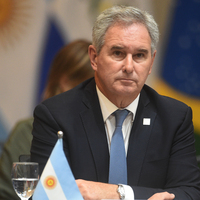
Paraguay's Foreign Minister Ruben Ramirez, following a meeting with his counterparts from Mercosur bloc countries on Friday, said they wanted to move forward on the deal "understanding that Europe has its own deadlines to address internal institutional matters."
"But at the same time, these deadlines are not infinite," he added.
The trade deal would help theEuropean Unionexport more vehicles, machinery, wines and spirits to Latin America.
In return, it would facilitate the entry into Europe of South American meat, sugar, rice, honey and soybeans.
Some EU nations, such as Germany and Spain, are excited about a pact that could help boost exports at a time of global trade tensions.
Angry farmers delay pact
The proposed deal has provoked anxiety among farmers who fear they will be undercut by a flow of cheaper goods from agricultural giantBraziland its neighbors.
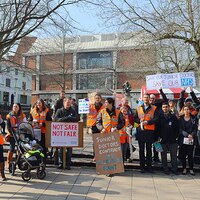
Thousands of farmers protested the deal outside a Brussels meeting of EU leaders on Thursday, rolling around 1,000 honking tractors into the city.
Protesters lit fires and hurled potatoes and other objects at the police, who responded with tear gas and water cannon.
The demands for more robust protections forced the European Commission to announce a postponement of Saturday's planned signing ceremony.
Brazil's PresidentLuiz Inacio Lula da Silvaon Wednesday warned the EU to sign the deal now, or forget it while he was in power.
However, he said Thursday that Italian Prime Minister Giorgia Meloni had asked him for "patience" and indicated Rome would eventually be ready to sign.
After the Brussels summit, French PresidentEmmanuel Macronsaid it was "too soon" to say if Paris would back the deal next month, saying fundamental changes to the text were needed.
A Brazilian government source said the trade pact already contained safeguards for EU farmers, but "we see that the internal political situation in France is delicate," the source added.
On Friday, dozens of French farmers protested in front of Macron's seaside residence, spreading manure nearby to demonstrate the Mercosur trade deal and other grievances.
EU delays Mercosur trade deal amid farmers' protests and political divide
Despite the delay, German ChancellorFriedrich Merzis "very happy, because the question is no longer if (the deal will be signed) but when," government spokesman Sebastian Hille told reporters in Berlin.
He said the German government expected the process to be completed "in the next two to three weeks."
The Mercosur meeting started Friday with the ministerial talks in southern Brazil's Foz de Iguacu, home to one of the world's largest waterfall systems on the border withArgentina.
On Saturday, Brazil's president will meet his Uruguayan counterpart Yamandu Orsi, Paraguay's Santiago Pena, and Argentina's President Javier Milei.
Originally published on RFI