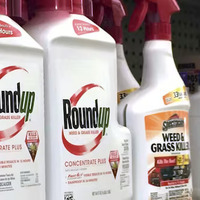


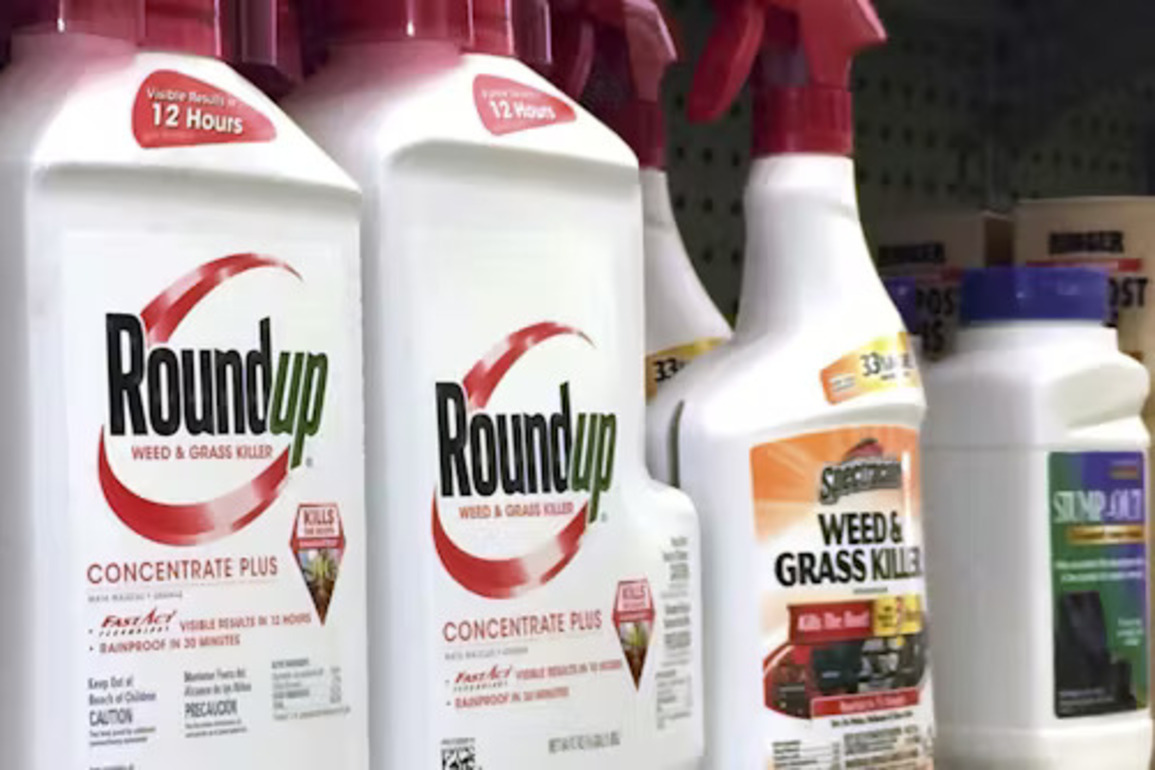
JEFFERSON CITY, Missouri: Bayer and attorneys for cancer patients have proposed a US$7.25 billion nationwide settlement to resolve thousands of U.S. lawsuits alleging the company failed to warn consumers that its weedkiller Roundup could cause cancer.
The proposed agreement, filed this week in St. Louis Circuit Court, still requires court approval. It comes as the U.S. Supreme Court prepares to hear arguments in April on Bayer's claim that the Environmental Protection Agency's approval of Roundup without a cancer warning should invalidate state-based failure-to-warn lawsuits. That case would not be affected by the proposed settlement.
However, the settlement could reduce financial uncertainty regardless of how the high court rules. Plaintiffs would be assured compensation even if Bayer prevails, while the company would limit potential exposure if it loses.
Germany-based Bayer, which acquired Monsanto in 2018, disputes claims that glyphosate — Roundup's key ingredient — causes non-Hodgkin lymphoma. But it has warned that ongoing litigation threatens its ability to continue selling the product in U.S. agricultural markets.
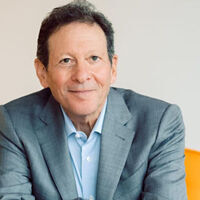
"Litigation uncertainty has plagued the company for years, and this settlement gives the company a road to closure," Bayer CEO Bill Anderson said.
About 200,000 Roundup-related claims have been made against Bayer, including more than 125,000 lawsuits filed since 2015. Only a small number have gone to trial, resulting in 13 verdicts for Bayer and 11 for plaintiffs — including a $2.1 billion Georgia jury award last year. Other claims have been resolved through separate settlements, including two recent deals covering about 77,000 cases.
The new settlement aims to address most remaining lawsuits and future claims brought by individuals exposed to Roundup. Bayer reserves the right to cancel the agreement if too many plaintiffs opt out, though it did not specify a threshold.
Under the proposal, Bayer would make annual payments into a fund for up to 21 years, totaling up to $7.25 billion. Individual payouts would depend on factors such as exposure, age at diagnosis, and illness severity.
An agricultural or industrial worker diagnosed before age 60 with an aggressive form of non-Hodgkin lymphoma would receive an average of $165,000. A residential user diagnosed between the ages of 60 and 77 with a less aggressive form would receive an average of $20,000. Those diagnosed at 78 or older would receive about $10,000 on average.
"No settlement can erase a diagnosis, but this agreement is designed to ensure that both today's and tomorrow's patients have access to meaningful compensation," said attorney Christopher Seeger.
Attorney Matt Clement, who represents about 280 plaintiffs, criticized the proposal, saying the payouts "are exceedingly too small."
Bayer has stopped selling glyphosate-based Roundup for residential use in the U.S., though it remains in agricultural products. The EPA maintains that glyphosate is not likely carcinogenic when used as directed.
Meanwhile, President Donald Trump's administration has supported Bayer's legal argument before the Supreme Court. Some states, including North Dakota and Georgia, have enacted laws that shield pesticide manufacturers from certain failure-to-warn lawsuits when products comply with federal labeling requirements.