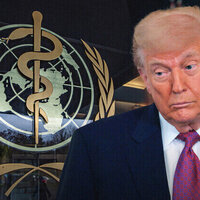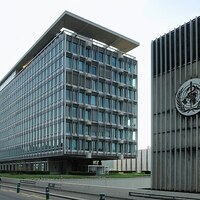


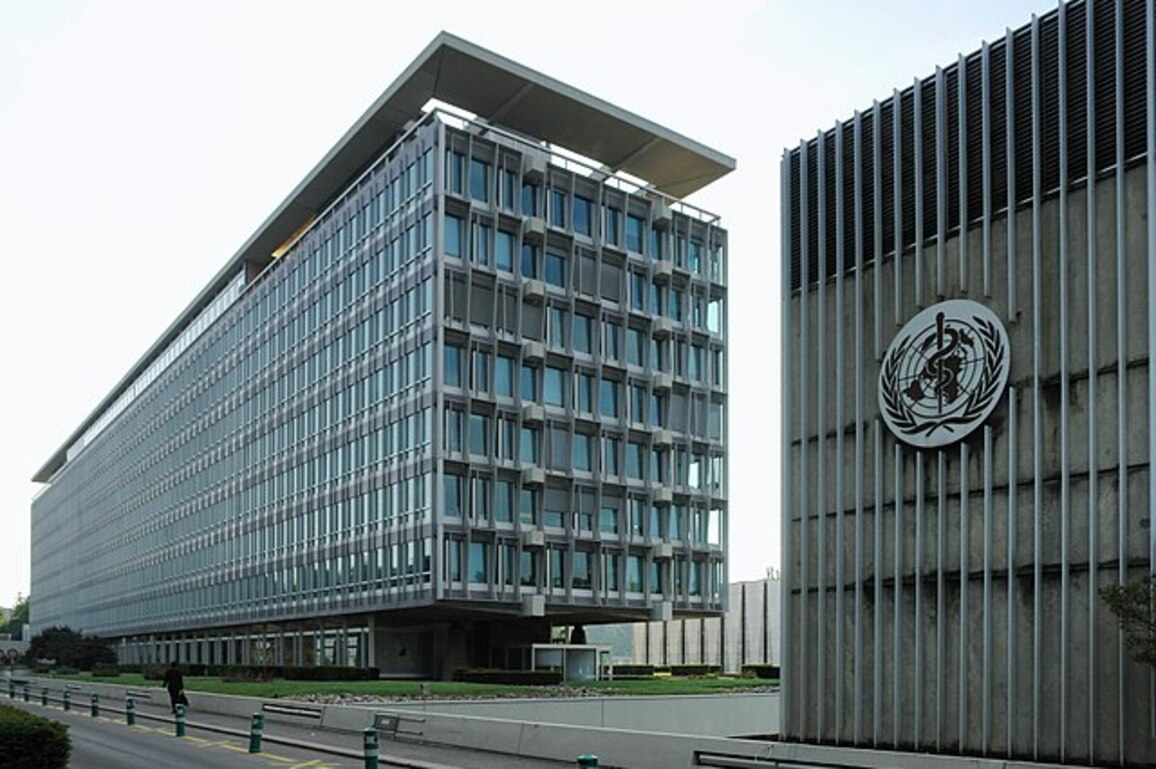
LONDON, U.K.: A year after Washington formally signalled its intent to withdraw, the United States is set to complete its exit from the World Health Organization, a move critics say could undermine both U.S. public health protections and global disease surveillance.
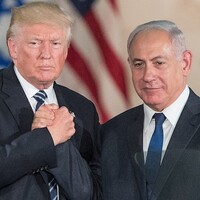
U.S. President Donald Trump gave notice of the withdrawal on the first day of his presidency in 2025 through an executive order. U.S. law requires a one-year notice period and full payment of outstanding dues before departure, conditions that have not been met, according to global health officials.
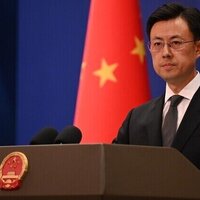
The United States owes the WHO about US$260 million in unpaid fees. On January 22, a U.S. State Department spokesperson said the administration viewed the organization's handling of global health crises as a costly failure and confirmed that Trump had halted future funding.
The spokesperson said by email that the WHO's "failure to contain, manage and share information had cost the U.S. trillions of dollars" and that the president had exercised his authority to pause "the future transfer of any U.S. government funds, support, or resources to the WHO."
"The American people have paid more than enough to this organization, and this economic hit is beyond a down payment on any financial obligations to the organization," the spokesperson said.
Quick return unlikely
Global health leaders have repeatedly urged Washington to reconsider. Earlier this month, WHO Director-General Tedros Adhanom Ghebreyesus warned that the decision would have far-reaching consequences.
"I hope the U.S. will reconsider and rejoin WHO," he told reporters at a press conference. "Withdrawing from the WHO is a loss for the United States, and it's a loss for the rest of the world."
The WHO has said the United States has yet to pay its assessed contributions for 2024 and 2025. Member states are expected to discuss the U.S. departure and its management at the WHO's executive board meeting in February, a spokesperson told Reuters by email.
Legal experts have questioned the legality of the move. "This is a clear violation of U.S. law," said Lawrence Gostin, founding director of the O'Neill Institute for Global Health Law at Georgetown University. "But Trump is highly likely to get away with it."
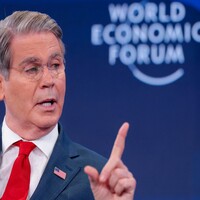
Speaking to Reuters at the World Economic Forum in Davos, Bill Gates, chair of the Gates Foundation and a major funder of global health initiatives, said a rapid reversal was unlikely.
"I don't think the U.S. will be coming back to WHO in the near future," he said, adding that when he had an opportunity to advocate for it, he would. "The world needs the World Health Organization."
What the departure means
For the WHO, the U.S. exit has already triggered a budget crisis. The agency has cut its senior management team in half, scaled back programs, and reduced budgets across departments. The United States has historically been the WHO's most significant single contributor, providing about 18 percent of its overall funding.
The organization has also said it expects to shed roughly a quarter of its staff by mid-year as it adjusts to the loss of U.S. support.
While the WHO said it has continued to work with the United States and share information over the past year, it remains unclear how collaboration will function once the withdrawal takes effect.
Public health experts warn that the fallout could extend well beyond the agency itself.
"The U.S. withdrawal from WHO could weaken the systems and collaborations the world relies on to detect, prevent, and respond to health threats," said Kelly Henning, public health program lead at Bloomberg Philanthropies.